


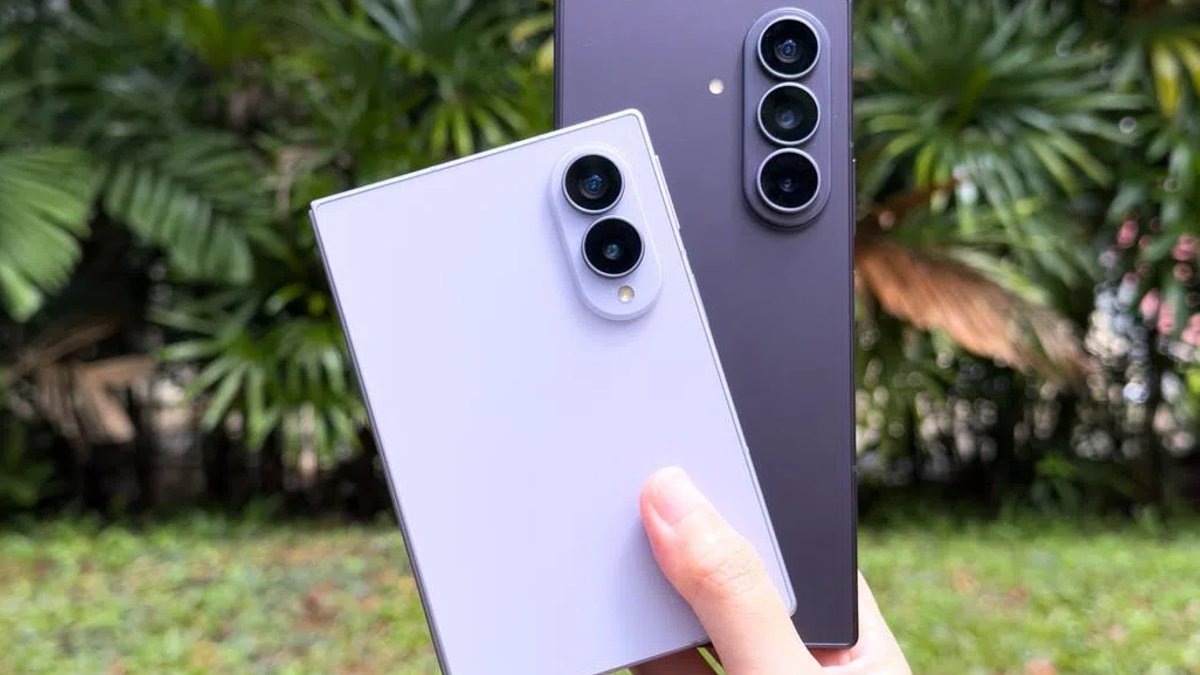
Samsung Galaxy Z Fold8 and its pricier sibling, the Galaxy Z Fold8 Ultra, arrive with a shared processor but markedly different dimensions, prompting buyers to weigh portability against raw capability.
Size and handling set the tone
The regular Fold8 adopts a shorter, wider chassis that folds into a 7.6‑inch inner screen with a 4:3 aspect ratio. Its cover display measures 5.5 inches, making the device thinner than previous foldables when closed—still 9.7 mm thick, but less reminiscent of a folding tablet.
Related: Apple to unveil Siri-powered home device
In contrast, the Ultra version carries a 6.5‑inch outer screen and expands to an eight‑inch inner panel that leans toward a near‑square shape. The larger footprint means the Ultra feels less pocket‑friendly, a trade‑off that some users may find cumbersome.
Performance is identical, price is not
Both phones run Samsung’s Snapdragon 8 Elite Gen 5 for Galaxy chipset, paired with 12 GB of RAM on the 256 GB and 512 GB models, and 16 GB on the 1 TB variant. They share the same 45 W wired charging speed, IP48 water resistance, and a promise of seven years of software updates.
The main cost difference is roughly S$300, with the Fold8 starting at S$2,498 and the Ultra at S$2,798. This price gap does not reflect a performance gap; rather, it reflects differences in screen size and camera hardware.
Related: Silent Hill 2 Exhibit Opens Tokyo Worldwide Merch
From a performance standpoint, the two devices should feel equally swift in gaming, multitasking, and AI‑driven features. The identical processor means that everyday speed, app loading times, and responsiveness will be on par, leaving the decision to focus on other aspects such as ergonomics and photographic needs.
Both phones retain the same 7.6‑inch and eight‑inch inner displays respectively, with the Fold8’s wider screen better suited for media consumption. Games such as Genshin Impact and PUBG run smoothly on the 7.6‑inch panel, and the broader aspect ratio reduces black bars when watching widescreen videos compared with the more square Ultra screen.
Considering the price gap, the Fold8 offers a compelling package for those prioritizing portability and entertainment without sacrificing performance. The Ultra, meanwhile, targets users who need a larger workspace for productivity and a more conventional cover screen size.
Related: Hither Green’s Delightful Discoveries: Where Love Blooms
From a cautious standpoint, the market may see these two models carving distinct niches: the Fold8 likely appeals to consumers who view foldables as a secondary device for media and casual use, while the Ultra could attract professionals seeking a compact productivity hub that still fits in a bag.
In the end, the choice hinges on which compromises matter most. If a user values a phone that slides into a pocket, feels comfortable in one hand, and delivers solid everyday performance, the Fold8 makes sense. Conversely, anyone who prioritizes a larger cover screen and stronger photographic tools may find the S$300 premium for the Ultra justified.


